

Successful organizations utilize creativity like a super-power. Going beyond problem solving and improved outcomes, creativity strengthens adaptability, resilience, and team cohesion around shared goals. When organizations face complexity, uncertainty, and constant change, creativity is a reliable and practical advantage.
In this article, Jacob Cancelliere, who holds a Level I, II, III Creativity Problem Solving Facilitator certification from Buffalo State University in New York and is Rego Consulting’s resident creativity expert, will guide you to a new understanding of why creativity is urgently in-demand in the workplace, how to build creative habits, and provide enjoyable (we promise!) brainstorming methods, so your organization can arrive at the best ideas yet.
What Is Creativity?
Creativity has many definitions: imagination, inspiration, play, thinking outside the box… the list could go on and on.
Researchers often define creativity as the capacity to produce ideas, solutions, or products that are both original and effective.
Buffalo State University professors, Ackoff and Vergara, study creativity within the Center for Applied Imagination. They define creativity as, “the ability to modify self-imposed constraints.” Cancelliere embraces this as one of his favorite definitions.
When we reframe constraints as opportunities for creativity, a whole new world opens up.
– Jacob Cancelliere, certified Creativity Problem Solving Facilitator and Rego Consulting’s resident creativity expert
Everyone is Creative
It is important to embrace the fact that everyone is creative. Regardless of whether you consider yourself creative or not, your daily life and work have creative elements. Creativity is not just for innovators, artists, writers, performers, and children. It’s a core function of being human.
Don’t Believe You’re Creative? Shut Down Judgement and See What Happens
Criticism of your ideas generates fear. And fear kills creativity faster than a cheetah in full sprint. Whether the judgement is imagined or real, coming from within yourself, or experienced externally, your brain shifts into a survival mode and focuses on protecting itself. Psychology Today explains that this shift reduces flexible thinking and risk-taking. The mind gravitates toward known, safe solutions instead of exploring novel or uncertain ideas.
We’ll explore how to overcome judgement and build creative habits in the sections below.
Creativity is a Skill You Can Grow
Through years of practice, Cancelliere has observed that creativity is not a rare or mysterious talent. Instead, creativity is a skillset that can be grown, practiced, and applied in every area of life and work.

Why Creativity Matters in the Workplace
Short answer: If you’re solving problems, you’re utilizing creativity.
Therefore, creativity and innovation matter in all industries and teams, not just those traditionally labeled “creative.”
Creativity Is an Essential Job Skill Today and in the Future
It’s a good thing everyone is creative, because it’s increasingly becoming an in-demand job skill.
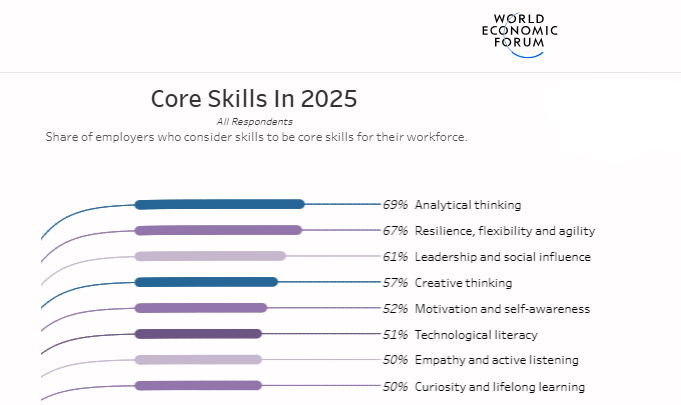
The World Economic Forum listed creative thinking among the top four core workplace skills, and predicts it will rise in importance through 2030. This makes it one of the top five fastest-growing job skills worldwide. Human creativity is necessary to address current and future problems with resilience, flexibility, and agility.
How can creativity help in the workplace? Let’s take a closer look.
Creativity Solves Complex Problems
Research by Ruscio and Amabile in the Creativity Research Journal demonstrates that creative problem solving is especially effective for ill-defined, complex problems that require flexibility and judgment rather than a single correct answer.
And let’s face it, there are an abundance of complex problems that don’t have just one “right answer.” Companies yearn to innovate, reduce costs, improve efficiency, and increase effectiveness. Each of these challenges require creativity to deliver results.

Forbes identified Salesforce as a company that is winning due to creativity. They challenged their sales team with a broad problem: how to increase sales? Within a year, the team not only brainstormed creative solutions but generated a new process. The result? 100% increase in revenue growth!
A well-known example of what happens when creativity is overlooked comes from the late 1990s. At the time, Blockbuster dominated the DVD rental market, operating more than 5,000 brick-and-mortar stores worldwide. When Blockbuster declined to acquire Netflix, at the time a small startup offering a DVD-by-mail model, Netflix continued to creatively innovate, eventually introducing on-demand streaming and original content. Over time, Netflix grew into one of the world’s largest media platforms, and Blockbuster is just a memory. Yikes. Blockbuster literally paid the price for resisting creative thinking.
Creativity Increases Adaptability
According to a Harvard Business School Online publication, creativity plays a critical role in organizational adaptability. As you have undoubtedly experienced, adaptability in the workplace is not optional – it’s essential for sustained success.
Creative thinking helps organizations avoid rigid patterns, giving leaders and teams flexibility to explore alternative approaches as conditions change.
When disruption emerges, creative adaptation empowers organizations to respond intelligently. Without resorting to sweeping overhauls or rebuilding the entire business model, teams can adjust through refined services, new products, or small structural shifts that improve outcomes.
By promoting experimentation and flexible thinking, organizations can work smarter, not harder. Work environments that utilize creative adaptation tend to boost productivity while positioning teams to respond more effectively and confidently to change.
How Creativity Drives Team Collaboration and Engagement
When people generate and refine ideas together, they view their success as interconnected. As a result, they are inclined to support one another’s ideas and efforts. This amplifies both creative output and social connections within the group.
When teams collaborate creatively, they build shared trust and mutual appreciation, which increases cohesion and the likelihood that they will tackle future challenges together more effectively.
Why Executives Value Creativity — and Yet Stifle It
As we’ve demonstrated in this article, there’s already a compelling case for creativity in the workplace. Many executives acknowledge it’s a needed skill, but ironically, they often obstruct it. The data from a 2024 Harvard Business Review Analytic Services report reveals a tension many organizations quietly experience.
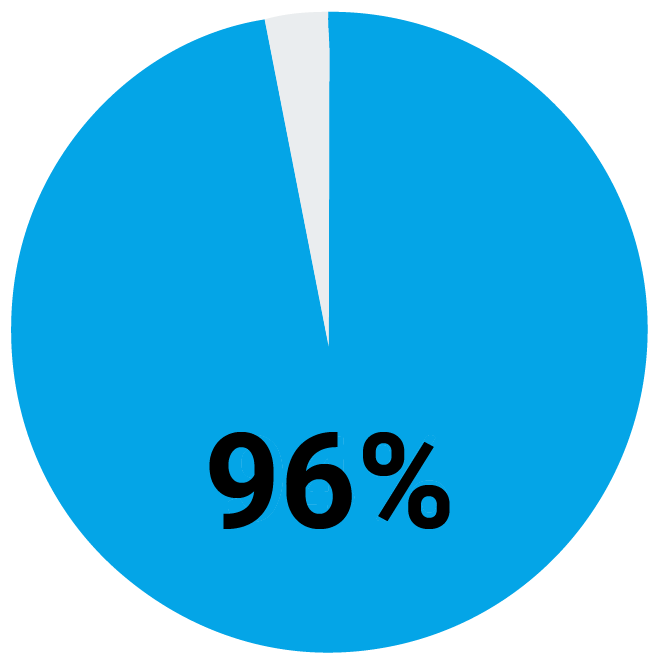
96% of leaders believe creative ideas are essential for long-term success.
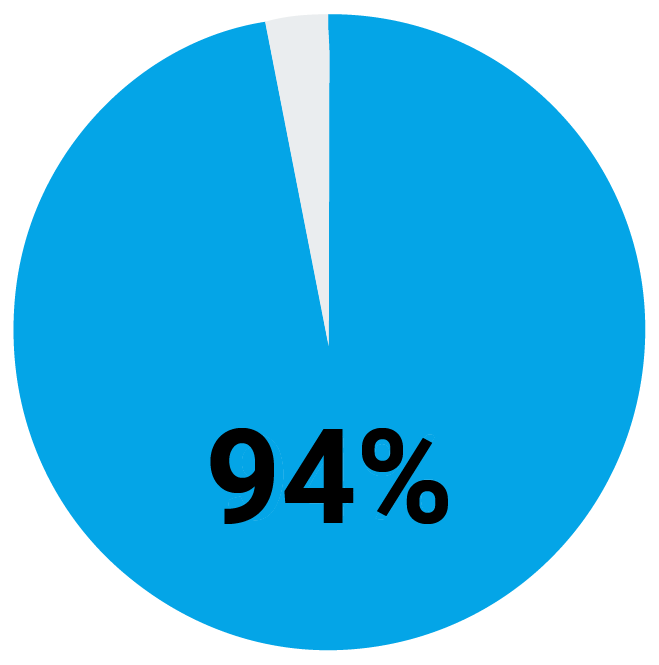
94% agree that organizations investing in creative tools and technologies will outperform others.
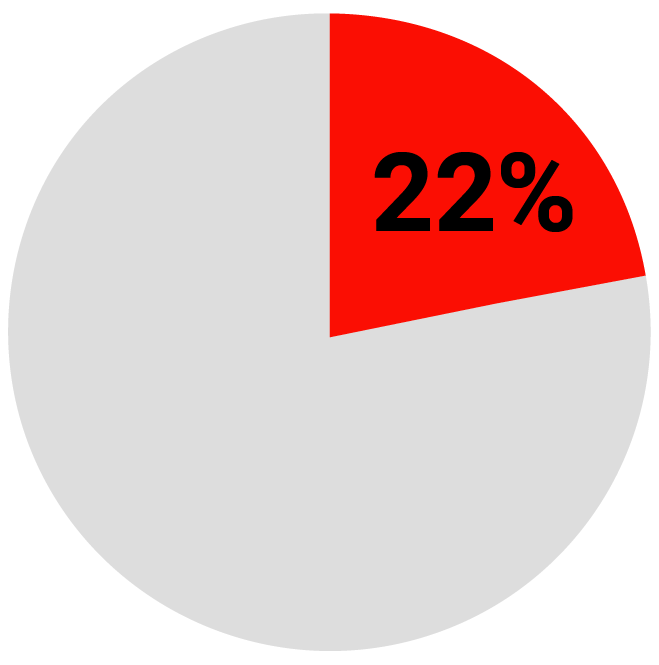
But only 22% of organizations claim they are “very successful” in applying creativity
What is Shutting Down Creativity in the Workplace?
Creativity is often stifled not because leaders oppose it, but because of how most organizations are structured.
The good news? You can implement more creativity in your workplace — even without overhauling your organization. Follow the creative habits outlined in the next section to make creativity an intentional, iterative practice.
Building Creativity in the Workplace with Everyday Habits
So how do you rekindle creativity in the workplace? One approach Cancelliere applies is consistently reinforcing creative habits.
“Habits matter more than goals.” Goals set direction, but habits create sustainable results.
Building creative habits doesn’t require an organizational upheaval. It starts with a small set of behaviors leaders and teams can practice consistently. These everyday habits form a cultural foundation for creativity in the workplace.

Core Habits That Shape a Creative Team Culture
- Create psychologically safe spaces for sharing ideas without judgment.
- Normalize curiosity and experimentation in day-to-day work.
- Encourage cross-functional collaboration to introduce fresh perspectives.
- Use humor intentionally to reduce friction and invite participation.
Next, we’ll show how teams can translate these habits into everyday behaviors they can apply immediately.
Withhold Judgment
Cancelliere illuminates an important trend: creativity shuts down when ideas are judged too quickly. When leaders set narrow limits on idea sharing or offer premature criticism, teams become less willing to contribute, not just in the moment, but over time.
Research from Harvard Business Review corroborates Cancelliere’s observation, identifying judgment as one of the most common creativity killers in organizations.
Children often appear more creative because they have not yet learned to
self-censor or anticipate rejection. As Pablo Picasso observed, “Every child is an artist. The problem is to remain an artist once he grows up.” In the workplace, limits and hesitation are learned, reinforced by environments where unconventional ideas are quickly judged.
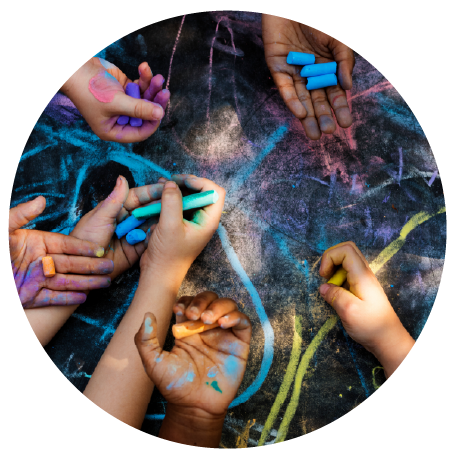
For leaders, withholding judgment does not mean accepting every idea. It means creating psychological safety and space for exploration before evaluation. Encourage teams to share ideas freely, even imperfect ones, and explore possibilities with curiosity before narrowing options. Humor (always grounded in kindness) can help teams stay open instead of defensive, especially when ideas are still rough. Used thoughtfully, humor lowers the stakes and sends the message that it’s safe to think out loud.
And – if your creative idea is dismissed – embrace the resiliency to try again.
Make Mistakes
Your organization’s best version of itself comes when individuals allow themselves and their team the freedom to take smart risks and learn from what doesn’t work. Psychology Today indicates errors have a positive impact, because they shift thinking and reveal new options that rigid planning alone can’t surface.
Smart mistakes also shorten the learning curve and improve outcomes. Small, fast experiments quickly reveal what works, so teams can adjust quickly instead of spending months pursuing the wrong approach.
Don’t hyperfocus on perfection. Instead, remember that imperfection is part of the process. It’s an invitation to adapt and improve.
Embrace Fresh Perspectives
Sometimes novice employees have the best ideas. They’re full of curiosity and looking at your organization through a new lens. They don’t have established assumptions holding them back. According to Psychology Today, curiosity fuels creativity by driving exploration, questioning, and the generation of possibilities.
So, take advantage of the opportunity to pair new employees with staff who have more experience in the company or industry and encourage them to brainstorm together. Imagine how “what if” thinking can create new paths to success.
Practice Creativity Daily
Maya Angelou said, “You can’t use up creativity. The more you use, the more you have.”
And Ernest Hemingway said, “We are all apprentices in a craft where no one ever becomes a master.”
They are correct! Creativity is something you gain through practice. Great writers, artists, innovators, and engineers make it a point to do creative tasks at least daily. History demonstrates the impact of consistently reinforcing creative habits, in many forms:
You will improve your outcomes – and your organization – when you practice creativity regularly.
Tools to Unlock Creative Brainstorming in the Workplace
Brainstorming is a common way to kick off creative thinking. So let us help you make your brainstorming session as effective – and fun – as possible.
Divergent and Convergent Thinking
One of Cancelliere’s favorite brainstorming methods involves two types of thinking: divergent and convergent thinking. Divergent thinking involves generating a wide variety of ideas. Convergent thinking is narrowing those broad ideas into the most worthwhile ideas. By separating idea generation from evaluation, teams avoid shutting down creativity too early while still arriving at clear, actionable outcomes.

Through expansive thinking and deliberate refinement, the result is a well-vetted idea.
Additional Brainstorming Tools
Cancelliere’s toolkit of brainstorming methods also includes the following best practices. Expanded explanations for each approach are included in his Concepts of Creativity webinar.
Each of these methods maximizes creative thinking. Participants will get wild and wonderful ideas, have a lot of fun, and your team will come together in ways you didn’t expect.
Let Rego Be Your Creative Guide
Creativity is a team sport, a repeatable skillset, and increasingly the currency of the future.
Your challenge is to now embed creativity into your daily work — not as an afterthought, but as a core practice that drives resilience, growth, and human connection.
Do you need assistance with your creative practices? Rego is here to help.
Get Help from Rego’s Extended Creative Team
It may not surprise you to know that many of Rego’s employees are creative problem solvers – both in the workplace and beyond! In addition to their innovative daily work, many Rego employees are artists, writers, fashion designers, musicians, actors, and more.
Contact Rego when you need creative experts to help you solve tough challenges.

About the Author: Liz Rodgers